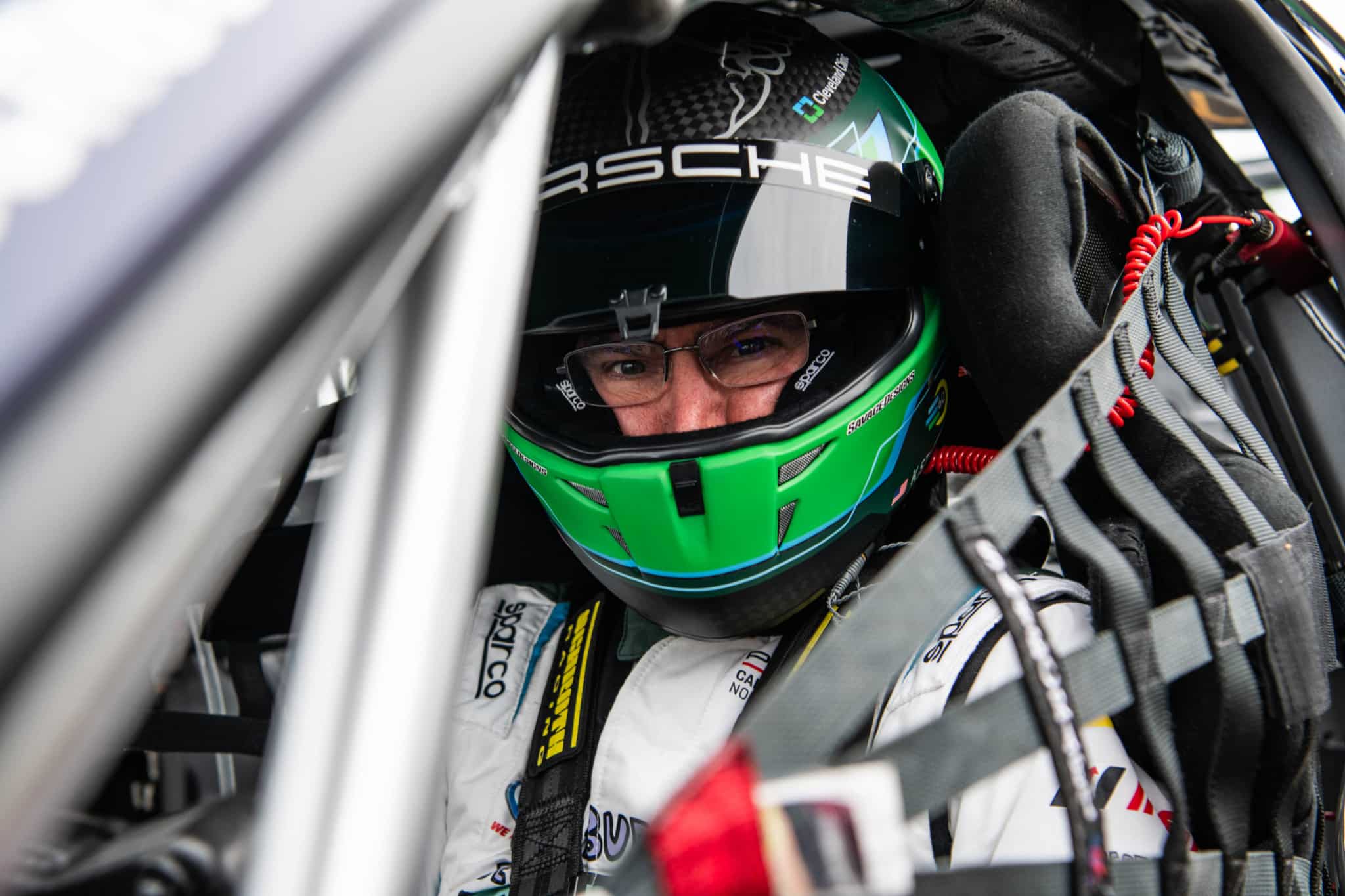
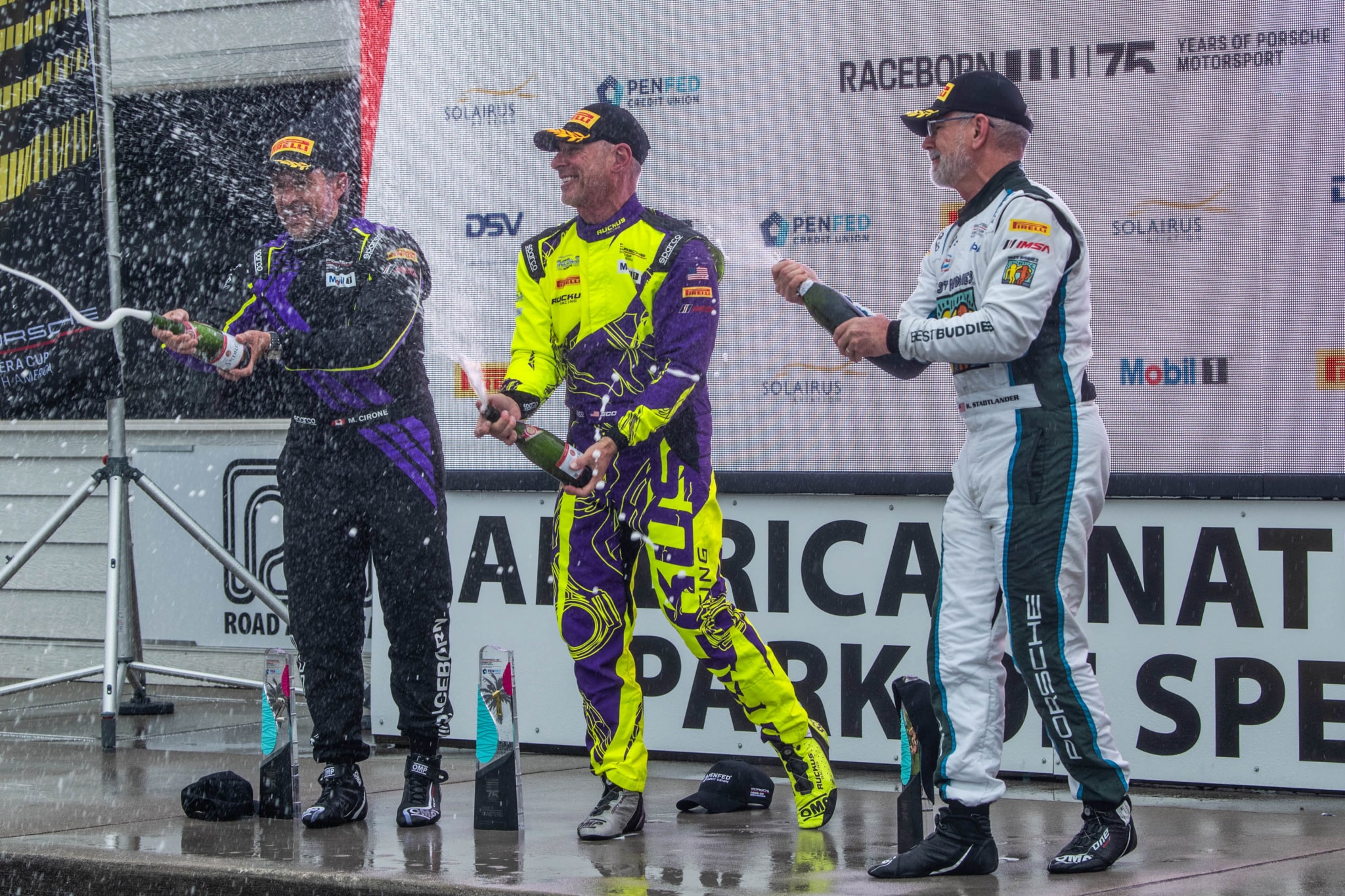
From the operating room during the week to the Carrera Cup paddock on race weekends, Porsche Carrera Cup North America Solairus Aviation Masters class racer Kevin Stadtlander approaches medicine and motorsport with the same focus; preparation and teamwork.
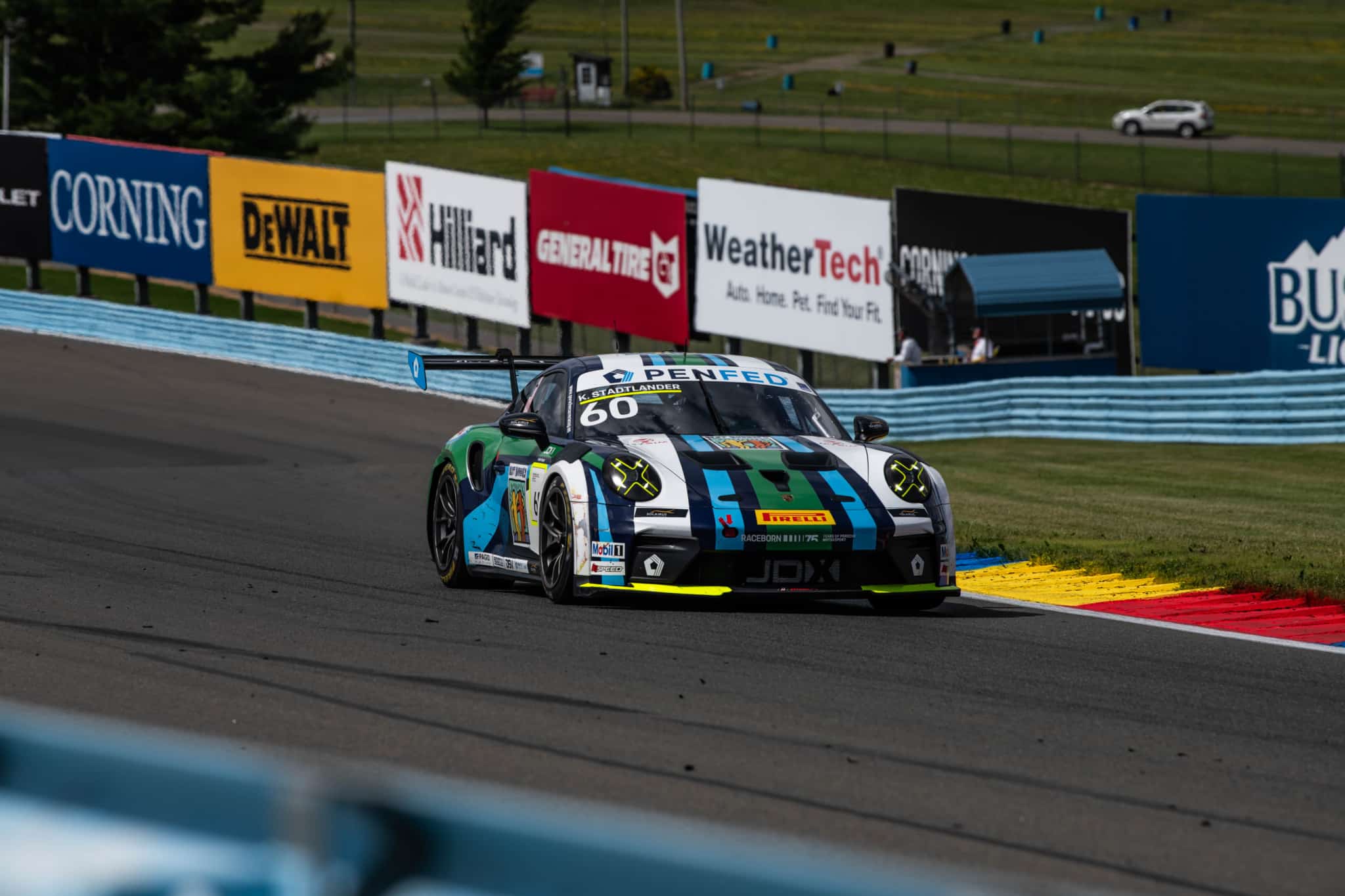
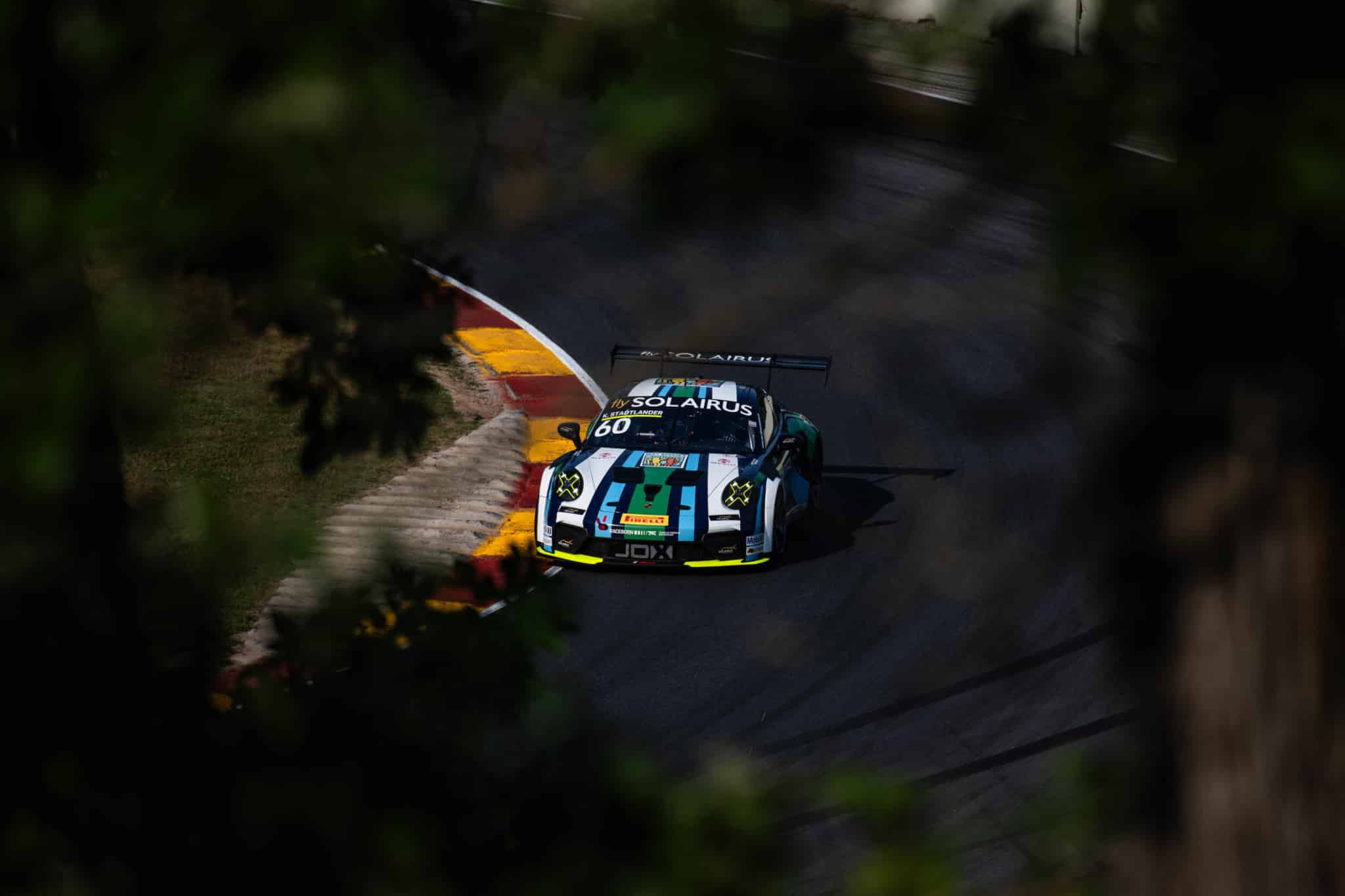
The surroundings may be dramatically different, but Stadtlander believes success in the operating room and behind the wheel of his No. 60 JDX Racing Porsche 911 Cup race car requires many of the same qualities.
From the operating room to the race track.
“Motorsports and operating in the OR have a lot of similarities,” Stadtlander said. “You have to have a plan going in, and you have to have an exit strategy – a Plan B and a Plan C – when things may go sideways.
“I consider the focus in the operating room and the focus in motorsport one and the same,”
Stadtlander has worked in medicine for 35 years. “I went to medical school and became an interventional radiologist,” the Miami-based doctor said. “We use imaging guidance to take care of patients and treat cancer, vascular disease and other conditions.
Motorsport came before his career in medicine, so both of them have grown in parallel over the years.
The transition between his two careers is often immediate. Stadtlander regularly leaves the racetrack Sunday night and returns to the operating room Monday morning.
In the operating room, Stadtlander accepts responsibility for the patient on the table. In the race car, that responsibility extends beyond his own safety to every competitor sharing the circuit.
“There are a lot of similarities between being in the operating room and being in the race car,” he said. “Having a patient’s life in my hands is very familiar to me. I’m comfortable with that responsibility, and I want to make them better.
“In the car, I obviously have my own life in my hands, but I also have my competitors on track that I have to take care of.”
Neither pursuit is an individual effort. Kevin Stadtlander relies on nurses, technicians and other caregivers in medicine, just as he depends on engineers, mechanics and team personnel at the track.
“Teamwork in medicine and teamwork in racing are also very similar,” he said. “In the operating room, we have nurses, techs and other caregivers in addition to the doctor. The doctor is the pilot, if you will.
“In the race car, we can’t do anything without the team of support behind us. Picking JDX Racing was very important to me because they are experts at what they do.”

Return to racing.
Stadtlander’s motorsport ambitions began while he was growing up in Pittsburgh. He attended a Skip Barber Racing School at Mid-Ohio while still in high school before stepping away to pursue medicine.
He later returned through Porsche Club Racing and Grand-Am competition before taking another decade away from the sport.
That break ended when he received an invitation to race at Spa last year in the 992 Endurance Cup.
“I went to Spa, did that and said, ‘That’s it,’” Stadtlander said. “I had the bug again, and I decided to do the 2026 Carrera Cup season with the new car.”
Stadtlander turned 60 in 2025, inspiring the number on his Porsche.
“At age 60, I said this could be my last year doing this – I’m not sure – Even though I had been off for quite some time, I decided, let’s just go big.”
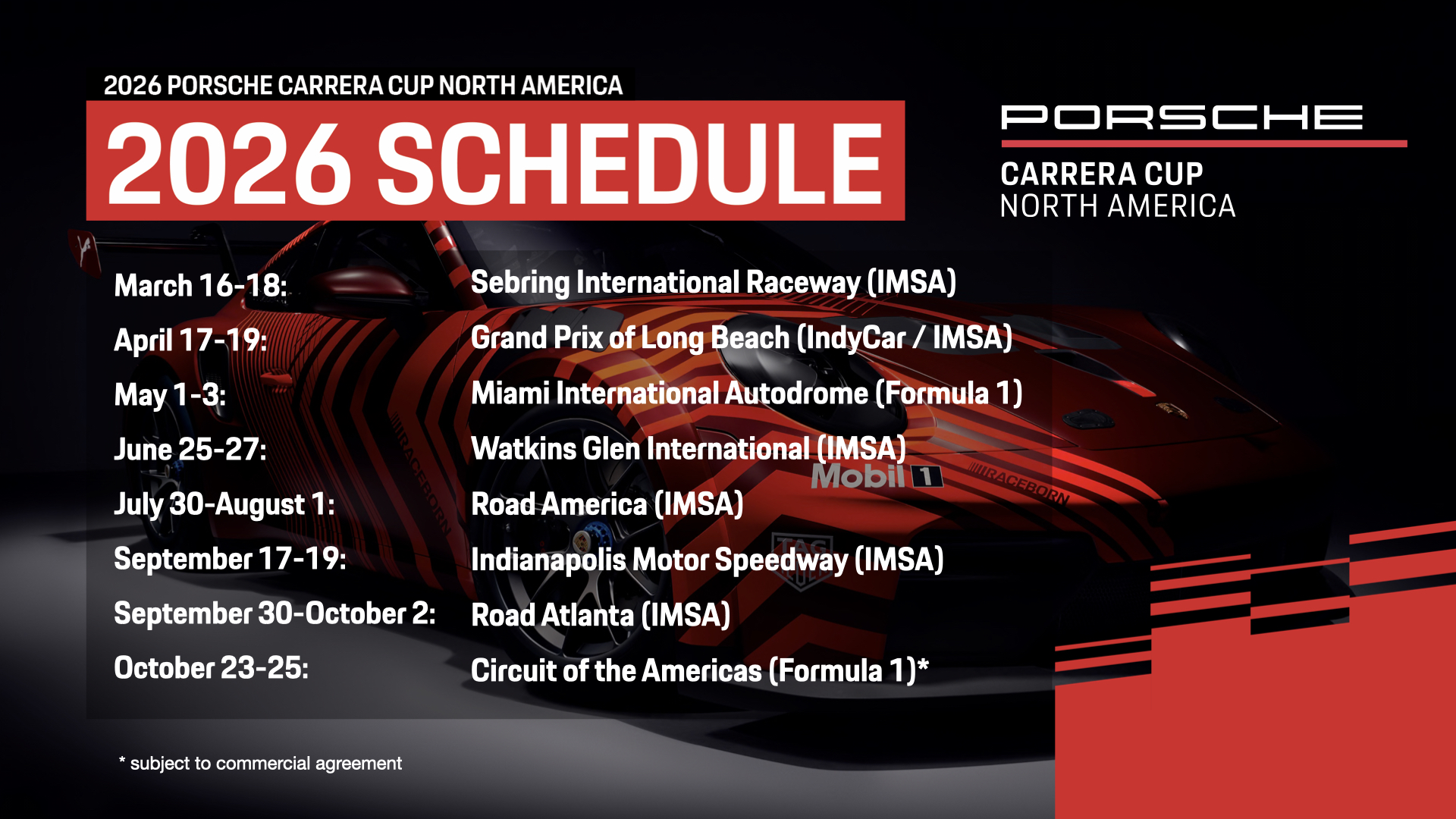
Porsche Carrera Cup North America offered the stage he wanted, competing alongside Formula 1, IndyCar and IMSA events. Introduced by his father, and fueled by a memorable visit to Stuttgart as a teenager, Stadtlander’s enthusiasm for Porsche has been lifelong as well. For him, living the racing dream meant there was no substitute for Carrera Cup.
JDX Racing became his team of choice after he met Jeremy Dale and Harrison Brix at Petit Le Mans in 2025.
“I just think they are great people from top to bottom,” Stadtlander said. “They are very good to me, good to my family and good to their other race car drivers.
“For me as a Masters driver, joining a team with two excellent Pro drivers has been very good. In our team meetings, I get to learn a lot from them, and hopefully they learn a lot from me as well.”

Racing for Best Buddies.
Stadtlander also uses his racing program to support Best Buddies, an international organization that promotes inclusion for people with intellectual and developmental disabilities.
Its programs create opportunities for one-to-one friendships, employment, leadership development and greater participation in schools, workplaces and local communities.
He brought the organization into his program ahead of the Miami weekend, and now uses each event to create awareness and raise funds throughout the season.
“Everywhere we go and every race we attend, there is a chapter of Best Buddies,” Stadtlander said. “We have the buddies come by the paddock and the pit area, and it’s fantastic.
“It is very enjoyable for me to give back while I’m doing this. A lot of the racing is for me, but I love being able to give back at the same time.”

Constant improvement.
Kevin Stadtlander also sees parallels in how medicine and motorsport use data, simulation and technology to improve performance.
“Every time we operate on a patient and every time we get in the race car, we want to be better and better,” he said. “We always say there is no such thing as a perfect lap.”
He does, however, say that there is a perfect surgery. “When I treat cancer, a blood clot in the leg or a blood clot in the lungs, it is amazing to see those patients no longer lying flat on the table,” he said. “When they are walking around the hospital, and I see them walk outside, that is incredible.”
At 60, Stadtlander hopes his return to racing encourages others to pursue ambitions they may have put aside.
“Age is only a number,” he said. “Follow your dreams. Do whatever you want to do. Just step up and do it.”